

Before You Grab the Shovel:
A Spring Tune-Up for the Body That Wants to Keep Living
The first truly warm day of spring does something to people.
Especially around here.
One minute you’re sipping coffee and noticing the birds are suddenly louder. The next minute, you’re in the garage looking for garden gloves, pulling out the lawn chairs, and telling yourself, “I’m just going to do a little cleanup.”
Three hours later, you’ve hauled mulch, raked half the yard, crouched in the garden beds like a teenager, and twisted just enough while dragging a bag of potting soil to discover that your back has some thoughts.
If this sounds familiar, welcome to spring in upstate New York.
For a lot of empty nesters, this season feels like freedom. The house is quieter. The days are longer. The grandkids might be coming over. There are gardens to tend, trails to walk, porches to sweep, trips to take, and all sorts of good reasons to be outside again.
And that’s exactly why this matters:
You should be able to enjoy the outdoors without feeling like your body is staging a protest.
Not because you’re trying to be 25 again.
But because getting older does not have to mean giving up the things you love.
Your Body Is a Lot Like Your Garden
Dr. Jen has a way of explaining things that makes you stop and go, “Well… that actually makes perfect sense.”
She’ll tell you that you don’t wait until your flowers are shriveled and desperate before you water them. You don’t ignore the soil all season and then act shocked when things struggle. You nurture the ground before the alarm bells go off.
Your body works much the same way.
Most people wait until something hurts enough to interrupt their life before they pay attention. But pain is often the last signal to show up, not the first. By the time your body is shouting, it has usually been whispering for a while.
That’s one reason regular chiropractic care can matter so much.
It’s not just about reacting when something “goes out.”
It’s about helping your body stay aligned, adaptable, and better able to handle the stress of real life — whether that stress looks like gardening, long walks, travel, lifting grandkids, or finally tackling that yard project you’ve been eyeing since February.
Spring Is Wonderful. Spring Is Also Sneaky.
Spring chores have excellent branding.
“Just a little gardening.”
“A nice long walk.”
“Some light yard work.”
That all sounds so innocent.
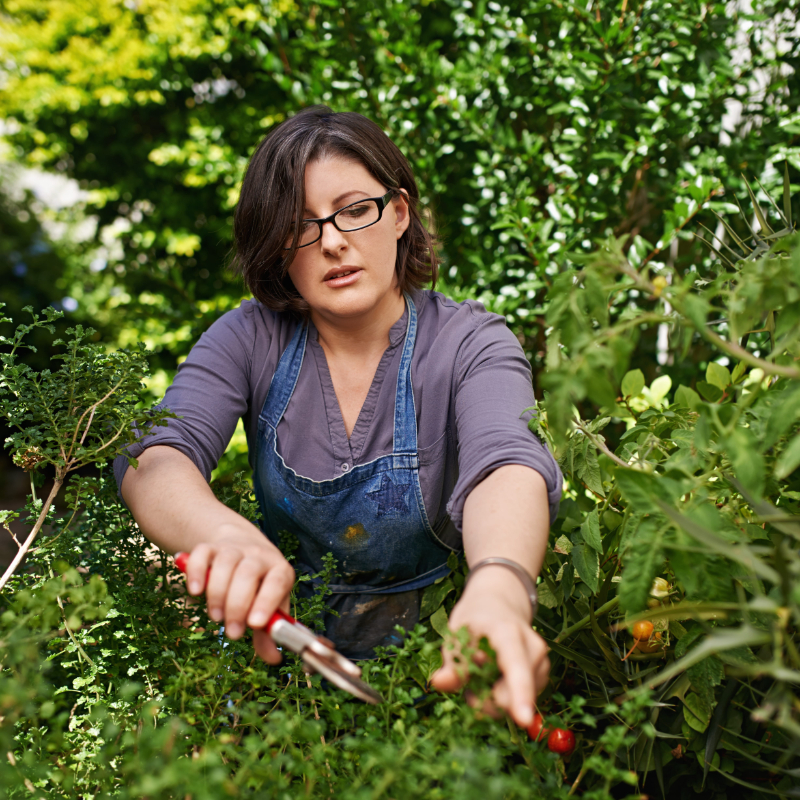
But let’s be honest. Gardening is a full-body sport in a floppy hat.
It asks a lot of you:
→ bending
→ twisting
→ kneeling
→ lifting
→ pulling
→ carrying
→ reaching
→ staying in one position too long
→ then repeating all of it because you “might as well finish this one last thing”
And walking? Wonderful, yes. But if your hips are tight, your posture is off, or your body has spent the winter doing more sitting than moving, even a healthy activity can start to feel uncomfortable.
That does not mean movement is the problem.
It means your body may need better support so it can adapt to that movement.
That’s a big distinction, and it’s one both Dr. Sharon and Dr. Jen care deeply about.
At Twin Pine, the goal isn’t to scare people into stopping the activities they love.
It’s the opposite.
The goal is to help you keep doing them.
Chiropractic Care Is Not a “Break Glass in Case of Emergency” Tool

A lot of people still think chiropractic works like this:
“I hurt my back. I go in. They fix it. The end.”
But regular chiropractic care is less like calling a repairman and more like staying on top of maintenance.
Think about what you do before spring really gets going. You tune up the mower. You charge the battery. You check what needs attention before you depend on it.
Your body deserves at least that much courtesy.
Dr. Sharon often brings a calm, grounded perspective to conversations like this. There’s no drama. Just a steady reminder that the body is designed to function well — and that support, consistency, and good habits matter.
That’s where regular care comes in.
Not because you’re fragile.
Because you’re active.
Because you want to stay active.
Because there is a difference between resting and slowing down… and giving in to the idea that aches, stiffness, and limitation are simply your new normal.
Three Things That Help More Than Most People Realize
Around this time of year, the advice at Twin Pine tends to sound beautifully simple. Not flashy. Not trendy. Just useful.
1. Keep moving
Movement matters.
Not the punishing kind. Not the “I have to make up for winter in one weekend” kind.
Just regular, steady movement that reminds your body what it was built to do.
Walk.
Garden for a bit.
Stand up more.
Change positions.
Use your body kindly and consistently.
As Dr. Jen put it : hydration and movement go hand in hand. One without the other is not nearly as effective.
2. Hydrate like you mean it

This is the part where Dr. Jen would absolutely tell you to drink more water.
And she’d be right.
If you’re moving more, outside more, sweating more, and asking more from your muscles and connective tissues, hydration matters.
A lot.
3. Don’t train for spring like it’s a surprise marathon
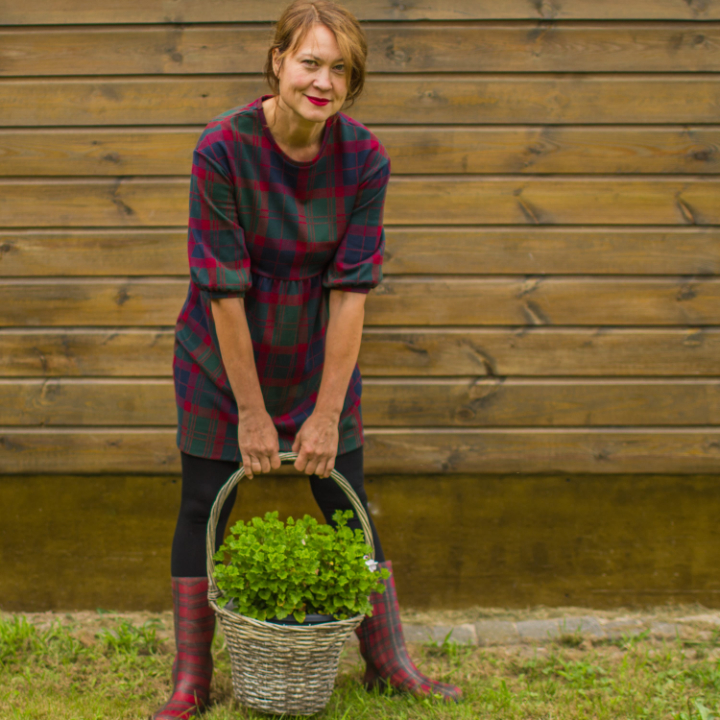
One of the best lines from your conversation was essentially this:
You don’t show up for a marathon and just run it.
The same goes for yard work season.
If you haven’t been very active all winter, maybe don’t make your triumphant return to the outdoors with four straight hours of raking, digging, hauling, and mulching.
Starting slowly and following basic [tips for getting and staying active as you age] can help your body adjust more comfortably.
Start smaller than your ambition.
Your enthusiasm may be 22.
Your knees may prefer a committee meeting first.
A Tune-Up Might Be Worth Considering If…
This is not about becoming dramatic over every twinge.
But it is about listening earlier.
It may be time to check in if:
✓ walking is starting to feel harder than it should
✓ gardening leaves you wiped out or sore for days
✓ your neck, hips, or low back keep talking back
✓ you’ve started avoiding activities you normally love
✓ you’re relying on aspirin or ibuprofen just to get through basic outdoor chores
✓ you feel stiff, off, or less steady than usual
You do not have to wait until your body completely ruins your Saturday.
The Bigger Goal Isn’t Just “Feeling Better”
This matters to the empty-nester season of life in a special way.
Because this chapter is not supposed to be all limitation.
It’s supposed to be full of walks after dinner.
Last-minute weekend drives.
Time in the garden.
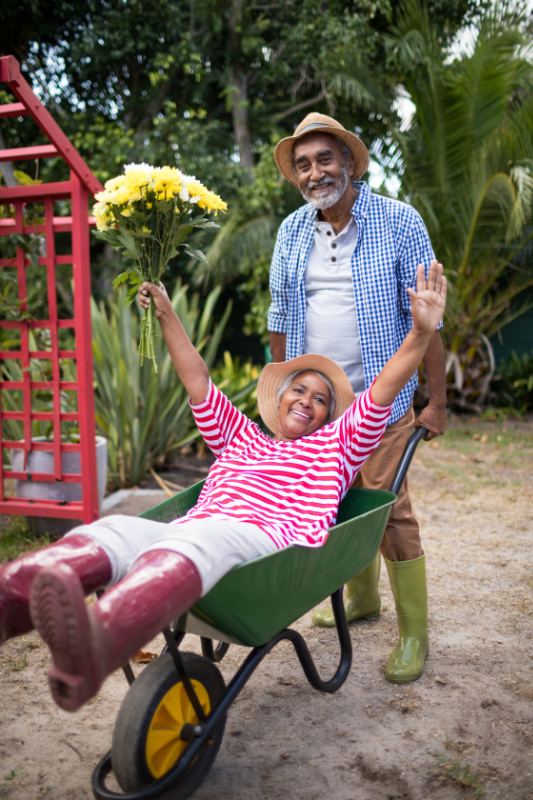
Time with grandchildren.
Travel.
Volunteer work.
Fresh air.
A body that lets you participate in your own life.
That doesn’t mean perfection.
It means support.
At Twin Pine, that support is meant to feel personal, thoughtful, and human — the kind of care where you are listened to, not rushed, and where the goal is to help you stay mobile, capable, and confident in your body for the long haul.
Frequently Asked Questions about Colic
One Final Thought Before You Head Outside
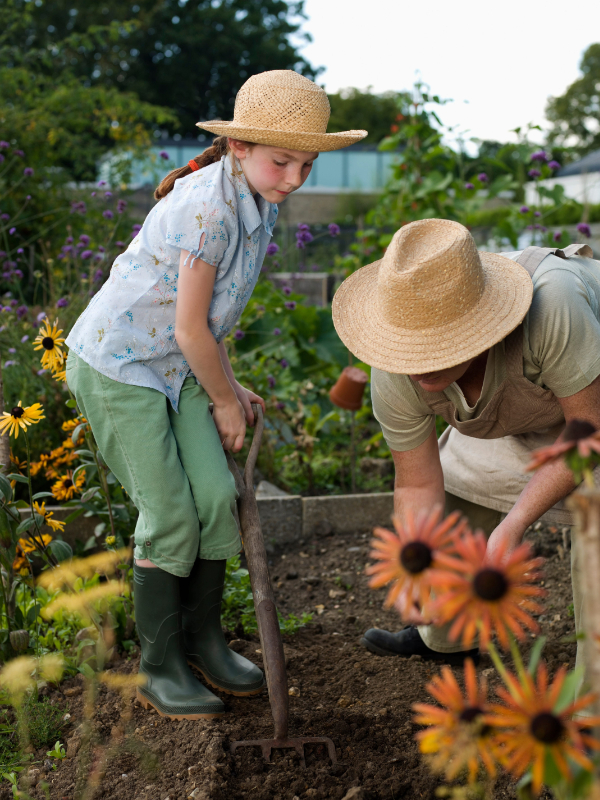
If spring has you itching to get back to your garden, your walking route, or your grandkid-chasing lifestyle, that’s a good thing.
Go outside.
Seriously. Go.
But maybe don’t wait until your body is waving a white flag to start taking care of it.
Tend to yourself the way you tend to the things you love:
with consistency,
with patience,
and before things start wilting.
And if your body has been asking for a little support lately, Dr. Sharon and Dr. Jen are here to help guide you.
Not with pressure.
Not with hype.
Just with caring, thoughtful support for the season you’re in — and the one you want to enjoy.
If you want, I can turn this into a more SEO-optimized website version next, with a title tag, meta description, headers, and a shorter call-to-action for the bottom.