

Your Health Doesn’t Need Another Holiday To-Do List
Small ways to care for yourself as the days get shorter and the calendar fills up.
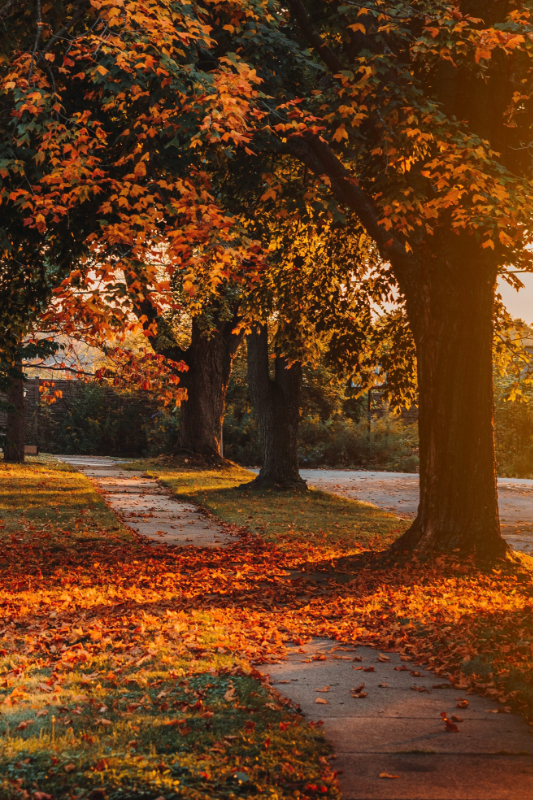
It’s 5:15 in the evening.
The sky says midnight. Your calendar says you still have three things to do. Someone wants to know what’s for dinner, and you’re wondering whether putting on pajamas now would be considered giving up.
Welcome to November.
This is the time of year when we start talking about gratitude, gathering, and enjoying the people we love. All wonderful things.
It’s also the time of year when everyday responsibilities acquire a holiday expansion pack.
Extra shopping. Extra cooking. Travel plans. School events. Family expectations. The growing realization that December is standing right behind November, holding a credit card.
Somewhere in there, you’re supposed to take care of yourself.
And even that can start to feel like another assignment.
Drink the water. Get your steps. Eat better. Go to bed earlier. Manage your stress.
Wonderful. We’ll just add “be less stressed” to the list.
At Twin Pine, we’d like to offer a more manageable approach.
What would help you feel a little more supported this season—and actually fit into your day?
Health Isn’t a Checklist

It’s easy to picture a healthy person as someone who exercises regularly, eats beautifully, and somehow remembers to defrost something for dinner.
But a person’s appearance or perfectly organized routine doesn’t tell us everything about how they’re doing.
We’re interested in the experience behind the checklist.
Do you have opportunities to recover after a busy day? Is your routine helping you, or becoming something else you worry about getting wrong? Can you make adjustments when life changes?
Someone can do all the “right” things and still feel overwhelmed by the effort of keeping everything exactly right.
That’s worth noticing.
When we talk about building a foundation for health, we mean developing habits you can return to and adapt over time. There’s room to learn what works for you.
A missed walk doesn’t erase the walks you took. A busy week doesn’t require a dramatic Monday restart.
You can begin again with the next small opportunity.
Your Summer Routine May Need a November Version
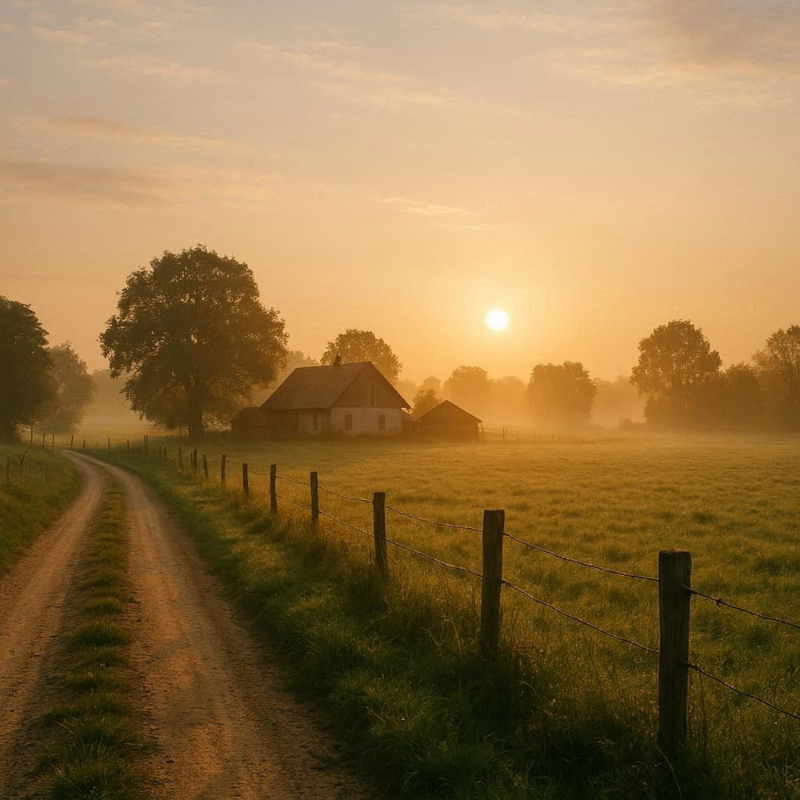
A morning walk sounds lovely in June.
In November, you may find yourself at the door negotiating with the darkness, the temperature, and a dog who has suddenly developed strong opinions about both.
If your usual routine becomes harder to maintain, consider what could change.
Could you walk during your lunch break, when there’s daylight? Would a shorter route be more manageable? On a day when the weather or footing makes going outside unsafe, could you move comfortably indoors?
Small amounts of activity count, too. The National Institute of Mental Health encourages regular movement and notes that you don’t have to fit it all into one session.
Give your walk an actual place in your day if that helps.
“After lunch, I’ll take ten minutes” is something you can plan around. “I’ll get out there eventually” has a way of becoming “How is it dark already?”
The routine is yours to adjust.
Rest Can Have a Place in Your Day

Sleep matters. So does having moments when nobody needs an answer from you.
Sometimes we sit down at the end of the day, turn on the television, pick up our phones, and spend the next hour watching one thing while reading three others.
Then we wonder where the evening went.
There’s nothing wrong with enjoying a show, music, or an audiobook. Dr. Jen enjoys music, too. This isn’t a campaign against your favorite playlist.
It’s an invitation to notice what you need in that particular moment.
Would you enjoy listening to your book on today’s walk? Go ahead.
Would it feel good to leave the earbuds in your pocket for a few minutes and hear what’s happening around you? Try that.
Maybe a quiet cup of tea sounds appealing. Maybe you unwind more easily with gentle music or a familiar hobby. Relaxing activities can take different forms, including reading, music, and time in nature.
You don’t have to become a person who sits perfectly still in silence.
Just give yourself permission to experiment with a little less input when that feels helpful.
Please Enjoy Thanksgiving Dinner
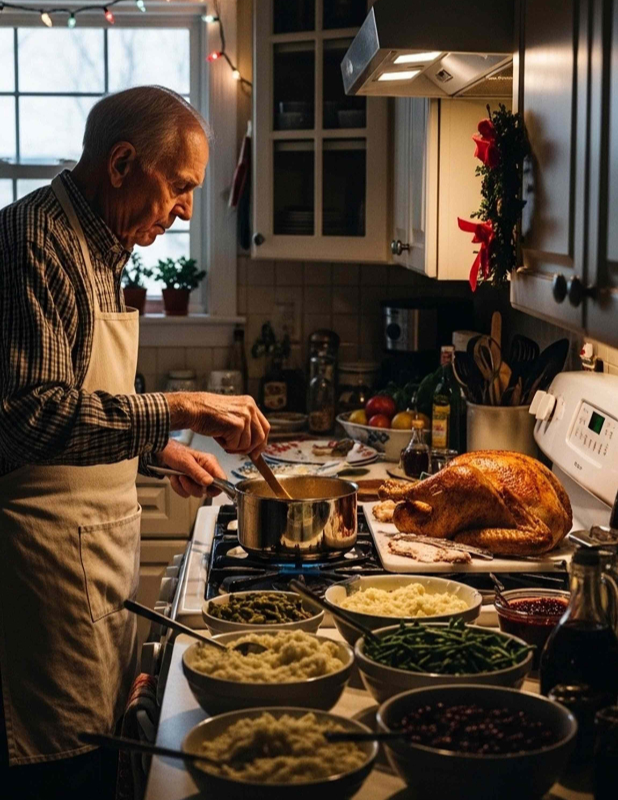
We should say this clearly:
You are allowed to enjoy the meal.
The family recipe. The stuffing someone takes very seriously. The pie you look forward to all year.
Food can be part of connection, tradition, and pleasure. We don’t want caring for your health to become a running commentary about everything you should have left on your plate.
There are plenty of ordinary opportunities around the celebration to support yourself.
Have your usual breakfast. Keep water handy while you’re preparing food. Sit down when you have the chance. Let someone else wash a dish.
Yes, even if they load the dishwasher differently.
Especially then, perhaps.
Think about what would make the day more enjoyable and manageable for you, including accepting some help.
Being Thankful for Your Health Can Include Caring for Yourself

Around Thanksgiving, many of us say we’re grateful for our health.
It’s worth pausing to consider what that means in our own lives.
Maybe you’re grateful you can get on the floor with your grandchildren. Walk with a friend. Work in the garden. Carry your baby. Travel to see family.
Maybe you’re navigating a health challenge and feel grateful for the people helping you through it.
Gratitude and difficulty can exist together. You don’t have to feel wonderful to appreciate what your body allows you to do—or to deserve support with what feels hard.
Try asking yourself:
What would make this week a little more manageable?
You may already know the answer.
An earlier night. A lunch break away from your desk. A shorter visit. Someone else handling dinner. Making an appointment to discuss a concern you’ve been putting off.
You don’t need to choose all of them.
Start Where There’s Room

One of the things Dr. Jen emphasizes is that overwhelming yourself doesn’t help.
If you’re trying to change everything at once, it can be hard to find anything you can comfortably sustain.
Choose somewhere there’s room.
Put your walking shoes where you’ll see them at lunchtime. Take a few minutes between finishing work and starting the evening’s responsibilities. Ask for help with one task you usually handle alone.
Then notice how it goes.
Was it useful? Was it realistic? Would a different time or approach work better?
You’re learning about your needs, and those needs may change from week to week.
If fatigue, pain, sleep difficulties, or changes in your mood persist or interfere with everyday life, talk with an appropriate healthcare professional. You deserve the chance to understand what’s happening rather than having to guess or push through it.
We’re Here to Listen

At Twin Pine Family Chiropractic, Dr. Jen and Dr. Sharon want to understand what matters to you and what you’re experiencing.
If you’re wondering whether chiropractic care could be part of supporting your health, we’re happy to talk. We can listen, assess your concerns, explain our findings, and discuss whether care is appropriate for you.
You decide what feels right for your circumstances and goals.
For now, perhaps there’s one small thing that would make today easier.
Start there.
The holiday list can wait while you take your lunch break.
Frequently Asked Questions
Ready for a little tune-up?
Come see Dr. Jen and Dr. Sharon at Twin Pine. We’d love to see you.
Call Twin Pine Family Chiropractic at +1.518.853.1567 for an Appointment.