

The Backpack Is Not the Only One Carrying Too Much
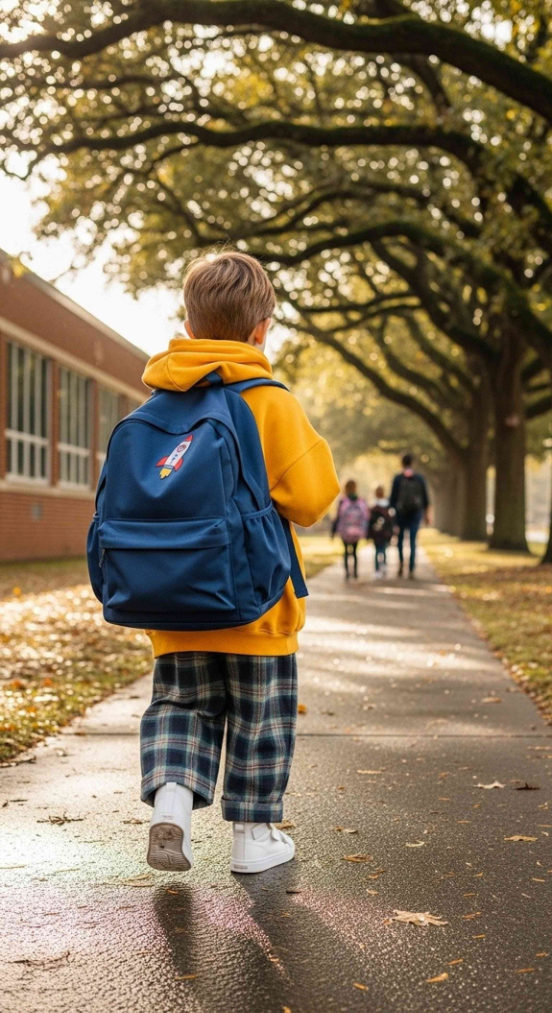
Back-to-school wellness is about more than choosing the right backpack—it is about helping the whole family handle everything this busy season brings.
Back-to-school season adds more than books to the load. Here’s how to help your whole family move, recover, and feel better as life gets busy again.
There is something almost impressive about a child’s backpack in September.
It can contain three notebooks, a lunchbox, gym shoes, two pencils with no erasers, a permission slip no one remembers seeing, a granola bar from last week, and one mysterious object that apparently belongs to no one.
And somehow, they are expected to carry all of it around like this is completely normal.
So every fall, we hear the usual reminders:
Use both straps.
Do not overload the backpack.
Make sure it fits properly.
All good advice.
But here is the part we do not talk about as much:
The backpack is easy to see. The rest of the weight your family is carrying usually isn’t.
Because while the kids are carrying books, the adults are carrying work, errands, practices, appointments, groceries, aging parents, packed calendars, school forms, and the daily mystery of what everyone is going to eat for dinner.
Again.
Apparently dinner is required every single night.
And somewhere underneath all of that is your actual body, quietly trying to keep up.
Back-to-School Season Changes More Than the Schedule
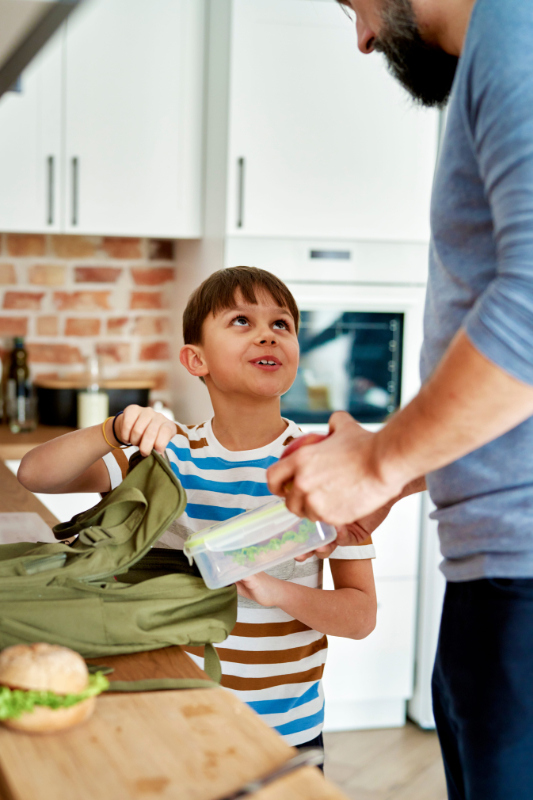
Summer may not always be relaxing, but it usually has a different rhythm.
Then school starts, and suddenly the calendar looks like someone lost a fight with a highlighter.
There are drop-offs.
Pickups.
Sports.
Homework.
Meetings.
More driving.
More sitting.
Less spontaneous movement.
Less breathing room.
And even if your children are grown, fall has a way of changing the pace. Work gets busier. Travel picks up. Grandkids have activities. Yard work changes. Volunteer commitments return.
Your body notices all of it.
Not because your body is fragile.
Because your body is involved in everything you do.
That means the load is not only about what you physically carry.
It is also about how much your body is being asked to adapt to every day.
Sometimes the Load Is Obvious. Sometimes It Isn’t.
— Just Not About Ourselves

A backpack is easy to measure.
You can pick it up and say, “Wow, this is heavy.”
Other loads are harder to see.
The parent carrying a child on one hip and three bags on the other shoulder.
The professional sitting at a desk all day, then spending the evening driving everyone where they need to go.
The active grandparent helping with kids, gardening, traveling, volunteering, and somehow still being the person everyone calls when they need help moving something.
Then there is the weight you cannot put on a scale:
Stress.
Poor sleep.
Mental overload.
Constant decision-making.
Being responsible for everyone else.
That never-ending list in your head.
Your body does not necessarily separate these things into tidy little categories.
It just knows it is being asked to do a lot.
And when we keep adding more without much recovery, we may start noticing things like:
-tight shoulders
– neck stiffness
– an achy back
– feeling worn down
-reduced mobility
– slower recovery
– feeling tense even when nothing is technically happening
Sometimes people say:
“I don’t know why I feel so tired. I haven’t even done anything.”
Except they have.
They have been carrying a lot.
The Backpack Lesson Is Actually Pretty Good Life Advice
Was Not the First Straw
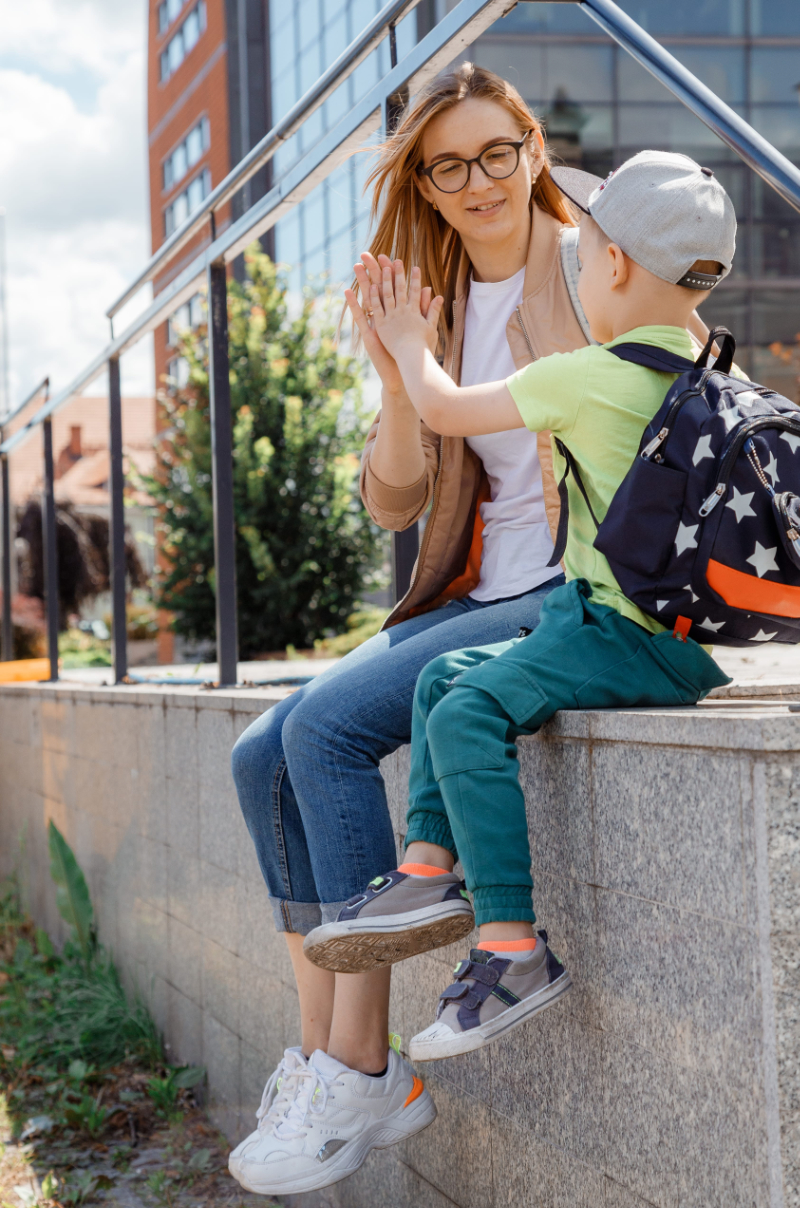
Think about what we tell kids about backpacks.
Do not overload them.
Use both straps.
Take out what you do not need.
Distribute the weight.
Do not carry everything around forever just because you can.
Adults could probably use that advice too.
Because we are very good at carrying things long after they have become uncomfortable.
We carry stress into bedtime.
We carry work into dinner.
We carry one-sided bags everywhere.
We carry tension for weeks while saying, “It’s probably nothing.”
We carry every grocery bag in one trip because making two trips would apparently be an unacceptable defeat.
Sometimes the most helpful question is not:
“What new wellness habit should I add?”
Sometimes it is:
“What am I carrying that could be made a little easier?”
5 Back-to-School Wellness Tips for the Whole Family
You do not need a perfect wellness routine.
You do not need everyone waking up at 5:00 a.m. to stretch, journal, meal-prep, and drink something green.
You need simple things you can actually keep doing.

1. Lighten the backpack
Help kids clean out backpacks regularly.
There is no reason to carry every worksheet, library book, snack wrapper, and mysterious piece of paper since the first day of school.
Encourage both shoulder straps and adjust the backpack so it sits comfortably rather than hanging too low.
And yes, you may explain this beautifully in the morning and still watch them leave the car with one strap hanging off one elbow.
Parenting keeps us humble.

2. Stop carrying everything on one side
Adults, this is for us too.
Purses. Laptop bags. Babies. Groceries.
If one side of your body is always doing the heavy lifting, switch it up when you can.
Use two straps.
Make two trips.
Ask for help.
And if someone judges you for not carrying all twelve grocery bags at once, they are welcome to carry the watermelon.

3. Move more often, not necessarily more dramatically
You may not need a one-hour workout.
You may need five minutes of movement several times a day.
Stand up between meetings.
Walk while taking a phone call.
Stretch after driving.
Let kids move between homework blocks.
Take a short walk after dinner.
Bodies generally like variety better than being parked in one position for hours.

4. Take recovery seriously
We are very good at celebrating activity.
We are less enthusiastic about recovery.
But both matter.
Ask:
Are we sleeping enough?
Drinking enough water?
Eating regularly?
Getting any downtime?
Recovering is not laziness.
It is part of being able to keep doing the things you care about.

5. Pay attention to what is becoming “normal”
This may be the biggest one.
People are incredibly adaptable.
That is useful.
It also means we can get used to feeling stiff, tense, tired, or uncomfortable.
“My neck is always tight.”
“My back always bothers me after driving.”
“My shoulders are just like that.”
“I always wake up stiff.”
Maybe those things are common.
But common does not always mean something you have to ignore forever.
You do not need to panic about every sensation.
Just pay attention when something keeps showing up.
Wellness Is Not a One-Time Event

This is where we see a lot of people get stuck.
Something hurts.
They get adjusted.
They feel better.
And the assumption is:
Done.
But health does not really work like a light switch.
Your body keeps changing because your life keeps changing.
You sit more.
You move more.
You travel.
You work.
You raise kids.
You help with grandkids.
You go through stressful seasons.
You age.
You recover.
Then life changes again.
That is why we see chiropractic care as one part of a bigger wellness relationship.
The adjustment matters.
But so do movement, sleep, recovery, stress, posture, hydration, and the everyday choices that support your body between visits.
At Twin Pine, the goal is not just to help you through one uncomfortable moment.
The goal is to be a wellness partner through the seasons of your life.
To help you understand your body.
To help you notice patterns sooner.
To give you practical support so you can keep doing the things that matter to you.

The adjustment is part of the care. The partnership is the bigger picture.
And Yes, You Belong on the List Too
This may be the reminder someone in your family needs most.
Especially the person who keeps everything moving.
The one who remembers the appointments.
Signs the forms.
Finds the missing shoe.
Refills the water bottles.
Gets everyone where they need to go.
And somehow ends up at the bottom of their own list.
Taking care of your body is not taking something away from your family.
It helps you participate in your family.
It helps you work.
Walk.
Garden.
Travel.
Sit through the game.
Play with the grandkids.
Pick up the toddler.
Carry the groceries.
Enjoy the life you are working so hard to organize.
That is what wellness is really for.
Not simply fewer bad days.
More capacity for the good ones.
Frequently Asked Questions
One Last Thought
So yes, check the backpack.
Lighten it.
Use both straps.
Take out the three pounds of unnecessary paper.
But while you are at it, check in with the person carrying it.
And check in with yourself.
Your family does not need perfect health.
You do not need to do everything right.
You simply need enough awareness to notice when the load is getting heavy—and enough support to make it a little easier.
That is what being a wellness partner means to us.
Not just showing up when life hurts.
Walking alongside you while you live it.
Ready for a Check-In?
If the new routine has you or someone in your family feeling stiff, tense, uncomfortable, or simply more worn down than usual, we’re here to help.
Call Twin Pine Family Chiropractic at +1.518.853.1567.